UnALTRD
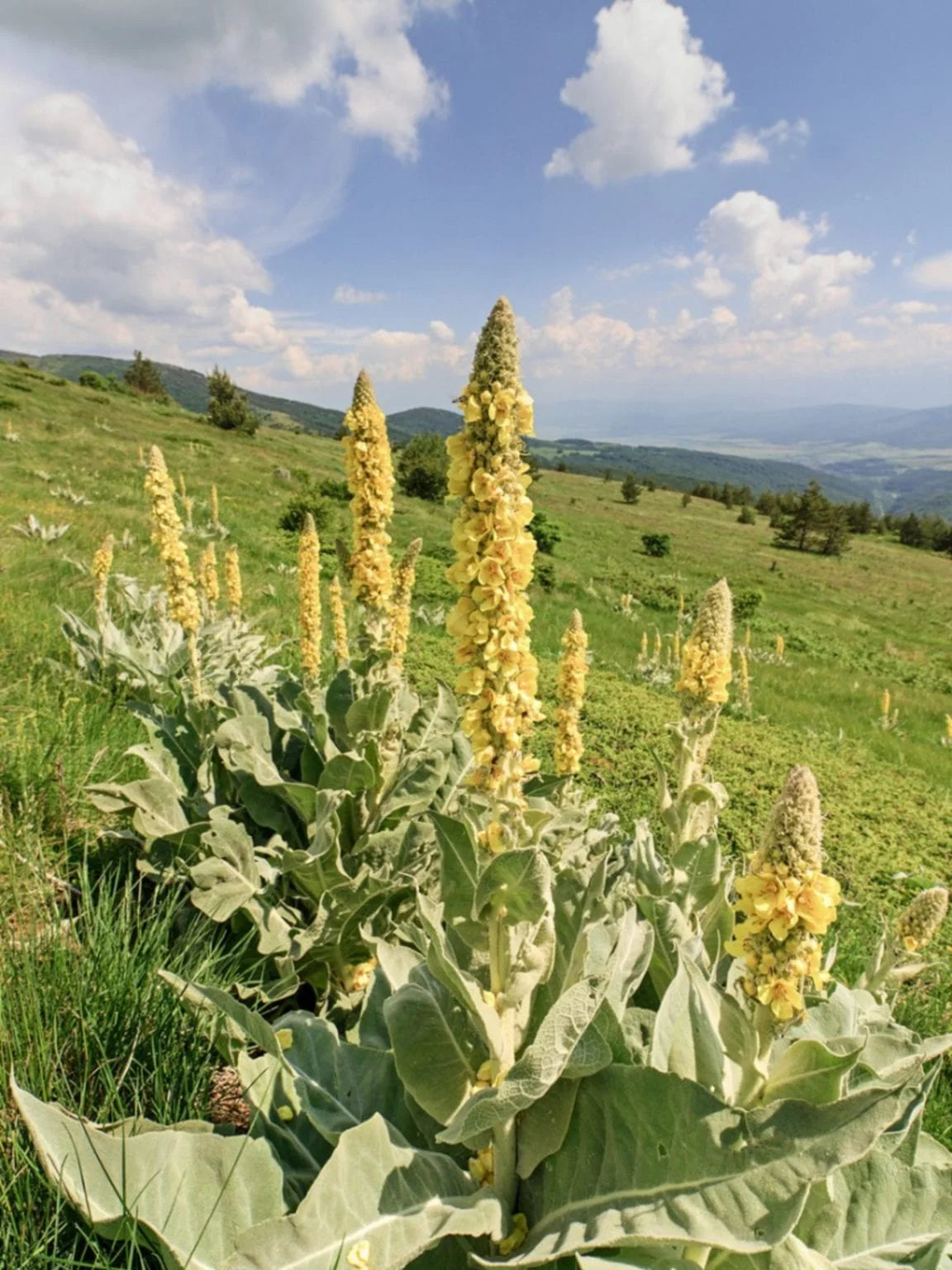
Mullein Leaf (Verbascum thapsus) – Lung & Respiratory Herbal Support
Mullein Leaf (Verbascum thapsus) – Lung & Respiratory Herbal Support
Couldn't load pickup availability
Our Mullein Leaf (Verbascum thapsus) is a traditional respiratory herb commonly prepared as tea to support lung wellness, comfortable breathing, normal mucus clearance and throat comfort.
Mullein has a longstanding reputation in traditional herbalism as both a soothing respiratory herb and expectorant, making it a popular addition to seasonal and lung-focused herbal routines.
The leaves naturally contain compounds including saponins, flavonoids, iridoid glycosides, phenylethanoid glycosides and phenylpropanoid compounds.
Potential Benefits of Mullein Leaf
Lung & Respiratory Support
Mullein is best known for its traditional use in supporting the lungs and respiratory system.
It has historically been prepared as tea to support:
- Comfortable breathing
- Overall lung wellness
- Respiratory comfort
- Seasonal respiratory health
Human clinical research remains limited, so Mullein should not be represented as a treatment for respiratory disease.
Supports Normal Mucus Clearance
Mullein is traditionally classified as an expectorant herb.
Its naturally occurring saponins are among the compounds associated with its traditional use for supporting the body's normal process of loosening and moving mucus.
This makes Mullein especially popular in herbal routines focused on clear, comfortable respiratory function.
Throat Comfort
Properly prepared Mullein tea has traditionally been consumed to support a comfortable throat and upper respiratory tract.
Warm Mullein Leaf tea may be especially soothing during seasonal changes or periods of occasional throat dryness or irritation.
Healthy Inflammatory Response
Mullein contains flavonoids, iridoids and other phytochemicals that have been studied for antioxidant and inflammatory-response activity in laboratory and preclinical research.
Antioxidant Herbal Support
Verbascum thapsus naturally contains several classes of antioxidant-associated plant compounds, including flavonoids and phenolic glycosides.
These compounds may help support the body's normal defenses against oxidative stress.
Naturally Occurring Compounds in Mullein
Mullein Leaf naturally contains:
- Saponins – associated with Mullein's traditional expectorant use
- Flavonoids – antioxidant-associated botanical compounds
- Iridoid glycosides – naturally occurring protective plant compounds
- Phenylethanoid glycosides – including compounds associated with antioxidant activity
- Phenylpropanoid glycosides – naturally occurring plant constituents
- Hesperidin and related flavonoids – identified within Mullein phytochemical research
- Vitamin C and naturally occurring minerals – reported within Verbascum thapsus
Why Add Mullein Leaf to Your Herbal Routine?
Mullein may be especially suitable for people seeking:
- Traditional lung support
- Respiratory wellness
- Healthy mucus clearance
- Throat comfort
- Seasonal respiratory support
- Antioxidant herbal support
- A naturally caffeine-free herbal tea
- A traditional respiratory-focused botanical
How to Make Mullein Tea
Single-Cup Preparation
- Add approximately 1–2 teaspoons dried Mullein Leaf to 8–12 ounces of spring water.
- Bring the water to a boil.
- Pour the hot water over the Mullein.
- Cover and steep approximately 10–15 minutes.
- For a stronger infusion, steep approximately 20 minutes.
- Strain extremely well through a coffee filter, fine muslin or several layers of cheesecloth.
- Drink warm.
IMPORTANT: Always Filter Mullein Tea Carefully
Mullein leaves are naturally covered with tiny fuzzy hairs.
These fine hairs can irritate the mouth and throat if they remain in the finished tea.
For this reason, we recommend fine-filtering every cup of loose Mullein Leaf tea before drinking it.
A standard wide-hole tea strainer may not remove all of the fine hairs.
Large-Batch Preparation
- Add approximately 1 ounce dried Mullein Leaf to one gallon of hot spring water.
- Bring the water to a boil separately.
- Reduce or turn off the heat and add the Mullein.
- Cover and steep for approximately 20–30 minutes.
- Strain once to remove the larger plant material.
- Strain a second time through fine muslin, several layers of cheesecloth or another very fine food-safe filter.
- Transfer into clean glass containers.
- Refrigerate after cooling.
Drink approximately one 8-ounce cup once or twice daily as desired.
Product Details
- Botanical: Verbascum thapsus
- Common names: Mullein, Common Mullein, Great Mullein
- Spanish name: Often known as Gordolobo
- Plant part: Dried leaves
- Naturally caffeine-free
- Single botanical ingredient
- No artificial colors
- No artificial flavors
- No fillers
- No preservatives
- Suitable for herbal tea and respiratory-focused herbal blends
- Store tightly sealed in a cool, dry location away from direct sunlight
Mullein Frequently Asked Questions
What is Mullein Leaf traditionally used for?
Mullein Leaf is traditionally used to support lung wellness, respiratory comfort, normal mucus clearance and throat comfort.
Is Mullein good for the lungs?
Mullein has a longstanding traditional reputation as a lung and respiratory-supporting herb.
Its leaves contain saponins, flavonoids, iridoids and other phytochemicals that have been investigated in modern research.
Large human clinical studies specifically proving lung-health benefits remain limited.
Does Mullein help with mucus?
Mullein has traditionally been classified as an expectorant, meaning herbalists have used it to support normal mucus movement and respiratory clearance.
Does Mullein clean your lungs?
Mullein does not literally wash or detoxify lung tissue.
It is more accurately described as a traditional herb used to support normal respiratory function, mucus clearance and lung comfort.
Can smokers drink Mullein tea?
Mullein is commonly used by people interested in respiratory wellness, including current and former smokers.
However, Mullein has not been proven to remove tar, nicotine or reverse smoking-related lung damage.
Why do I need to strain Mullein tea?
Mullein leaves have very fine surface hairs.
If these hairs remain in the tea, they can irritate the mouth and throat.
Use a coffee filter, tightly woven muslin or several layers of cheesecloth when preparing loose Mullein Leaf.
Is Gordolobo the same as Mullein?
Gordolobo is commonly used as a Spanish name for Mullein, but common plant names can differ between regions.
Always confirm the botanical name Verbascum thapsus.
Is Mullein naturally caffeine-free?
Yes.
Pure Verbascum thapsus leaf is naturally caffeine-free.
Important Safety Information
- Always filter Mullein tea extremely well before drinking.
- Fine hairs naturally present on the leaves can cause mouth or throat irritation if not removed.
- Some individuals may experience skin irritation when handling Mullein Leaf.
- Stop use if you experience an allergic reaction or unusual irritation.
- Safety during pregnancy and breastfeeding has not been adequately established.
- Use additional caution when introducing any new herbal product if you take medications or manage significant health conditions.
- Mullein should not be used in place of appropriate care for serious or persistent breathing problems.
- This product is sold as a whole dried botanical and is not a standardized pharmaceutical extract.
FDA Disclaimer
These statements have not been evaluated by the Food and Drug Administration. This product and the information provided are not intended to diagnose, treat, cure or prevent any disease. Information concerning the traditional uses of Mullein Leaf (Verbascum thapsus) is provided for educational purposes only.