UnALTRD
Elderberry (Sambucus nigra) – Immune & Antioxidant Herbal Support
Elderberry (Sambucus nigra) – Immune & Antioxidant Herbal Support
Couldn't load pickup availability
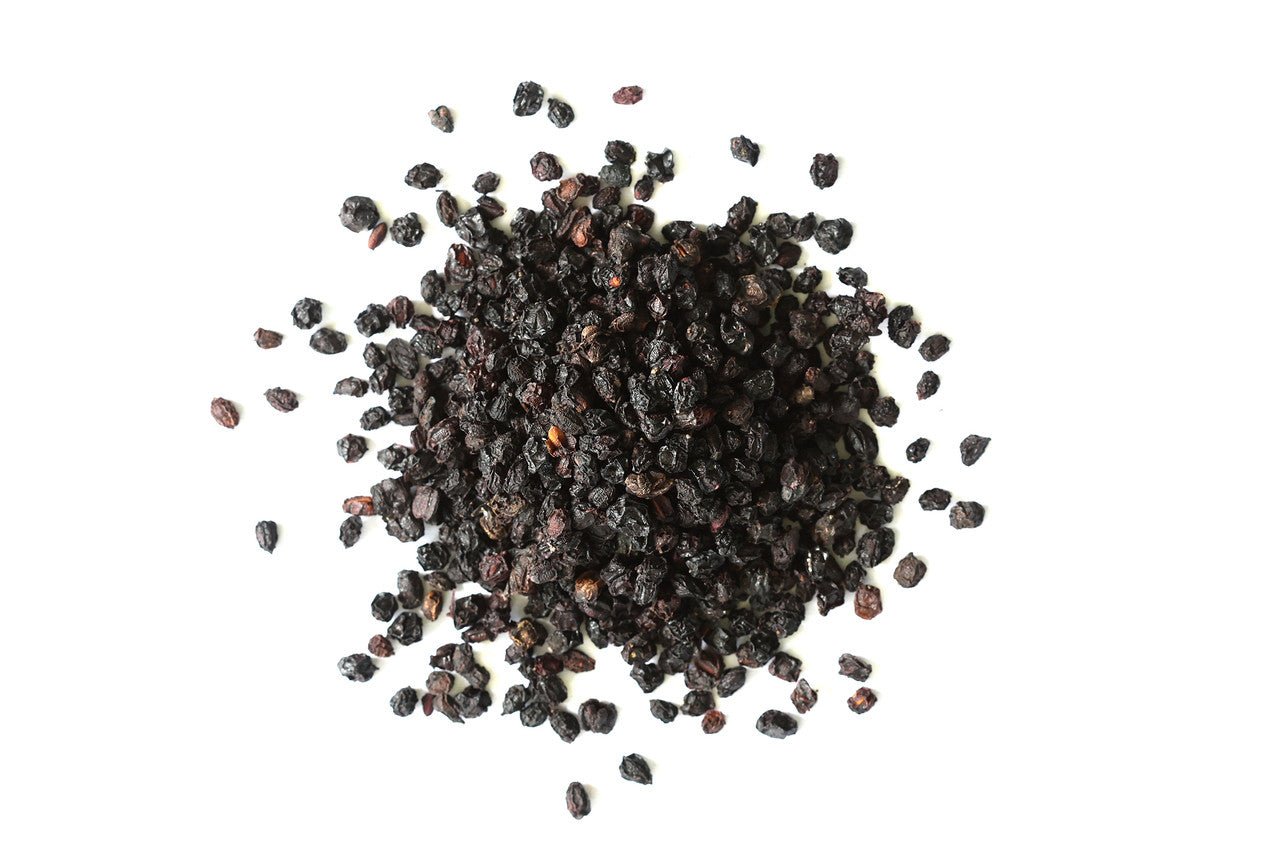
Our Elderberries (Sambucus nigra) are naturally rich in colorful antioxidant plant compounds and have long been incorporated into herbal routines focused on immune wellness, seasonal respiratory support and overall vitality.
The deep purple-black berries contain naturally occurring anthocyanins, flavonoids, polyphenols and phenolic acids, giving elderberry its distinctive color and antioxidant properties.
Dried Elderberries can be simmered into a warming Elderberry tea or decoction or incorporated into other properly cooked herbal preparations.
Potential Benefits of Elderberry
Immune Wellness
Elderberry is one of the most popular traditional botanicals used to support normal immune function and seasonal wellness.
Preliminary human research has investigated elderberry preparations for cold, flu and other upper respiratory symptoms.
Some studies suggest potential symptom-supporting benefits, but current research is not sufficient to establish elderberry as a treatment or prevention for viral infections.
Seasonal Respiratory Support
Warm Elderberry preparations are traditionally consumed during seasonal changes and colder months.
Elderberry may complement a wellness routine focused on:
- Immune support
- Respiratory comfort
- Throat comfort
- Seasonal wellness
- General nourishment
Powerful Antioxidant Plant Compounds
Black Elderberries are particularly rich in anthocyanins, the natural pigments responsible for their deep purple color.
These compounds help provide elderberry's considerable antioxidant activity.
Healthy Inflammatory Response
Elderberry polyphenols have been investigated for their relationship to oxidative stress and normal inflammatory signaling.
While research continues, elderberry can appropriately be described as a botanical providing antioxidant support for overall wellness.
Naturally Occurring Compounds in Elderberry
Elderberries naturally contain:
- Anthocyanins – powerful natural pigments associated with antioxidant activity
- Cyanidin-3-sambubioside – one of the predominant elderberry anthocyanins
- Cyanidin-3-glucoside – another major anthocyanin found in black elderberries
- Quercetin – a naturally occurring flavonoid
- Rutin – an antioxidant flavonoid found in Sambucus nigra
- Chlorogenic acid – an important naturally occurring phenolic acid
- Polyphenols – a broad group of protective plant compounds
- Phenolic acids – naturally occurring compounds contributing to elderberry's antioxidant profile
Why Add Elderberry to Your Herbal Routine?
Elderberry may be especially suitable for people seeking:
- Immune wellness
- Seasonal respiratory support
- Antioxidant herbal support
- Anthocyanin-rich botanicals
- Healthy inflammatory-response support
- A naturally caffeine-free herbal preparation
- A traditional cold-season wellness herb
How to Make Elderberry Tea
Dried Elderberries should be cooked before consumption.
Single-Cup Preparation
- Add approximately 1 tablespoon dried Elderberries to 12–16 ounces of spring water.
- Bring the berries and water to a boil.
- Reduce the heat, cover and simmer gently for approximately 15–20 minutes.
- Turn off the heat and allow the berries to steep for another 10 minutes.
- Strain thoroughly.
- Drink warm.
Do not eat the spent berries after preparation.
Large-Batch Preparation
- Add approximately 1 ounce dried Elderberries to one gallon of spring water.
- Bring to a rolling boil.
- Reduce the heat.
- Cover and simmer for approximately 20–30 minutes.
- Turn off the heat and steep another 20 minutes.
- Strain thoroughly.
- Store prepared tea in clean glass containers in the refrigerator.
- Consume refrigerated preparations while fresh.
Product Details
- Botanical: Sambucus nigra
- Common names: Black Elderberry, European Elder
- Plant part: Dried ripe berries
- Naturally caffeine-free
- Single botanical ingredient
- No artificial colors
- No artificial flavors
- No fillers
- No preservatives
- Rich in naturally occurring anthocyanins and polyphenols
- Suitable for properly cooked teas, decoctions and herbal preparations
- Store tightly sealed in a cool, dry location away from direct sunlight
Elderberry Frequently Asked Questions
What are Elderberries traditionally used for?
Elderberries are traditionally incorporated into herbal routines for immune wellness, seasonal respiratory support, antioxidant support and general health.
Is Elderberry good for the immune system?
Elderberry has a longstanding reputation as an immune-supporting botanical.
Some preliminary human research suggests elderberry preparations may provide support during certain upper respiratory illnesses, although more research is needed.
It should not be represented as a cure or preventive treatment for infections.
What antioxidants are in Elderberry?
Black Elderberries naturally contain several antioxidant compounds including:
- Cyanidin-3-sambubioside
- Cyanidin-3-glucoside
- Quercetin
- Rutin
- Chlorogenic acid
- Other anthocyanins, flavonoids and polyphenols
Can you eat dried Elderberries directly from the bag?
No. We recommend cooking dried Elderberries before consumption.
Raw or insufficiently prepared elderberries can contain naturally occurring cyanogenic compounds.
Prepare them using heat and strain thoroughly before consuming the liquid.
Is Elderberry good for cold and flu season?
Elderberry is traditionally used during cold and flu season as an immune and respiratory wellness botanical.
Some preliminary research suggests potential benefits for certain upper respiratory symptoms, but elderberry has not been established as a cure or prevention for influenza or the common cold.
Is Elderberry naturally caffeine-free?
Yes.
Pure Sambucus nigra berries are naturally caffeine-free.
Is Elderberry the same as Elderflower?
No.
Elderberry is the dark purple fruit of the elder tree.
Elderflower refers to its flowers.
Although they may come from the same species, they have different botanical compositions and traditional applications.
Important Safety Information
- Dried Elderberries must be properly cooked before consumption.
- Do not consume raw or unripe Elderberries.
- Do not consume elder leaves, stems or other unidentified portions of the plant.
- Naturally occurring cyanogenic compounds in improperly prepared elder plant material can cause nausea, vomiting, abdominal discomfort and diarrhea.
- Cooking substantially reduces this risk.
- Do not eat the spent berries after preparing tea.
- Safety during pregnancy and breastfeeding has not been adequately established.
- Speak with an appropriately qualified professional before use if taking medications or managing significant health conditions.
- Discontinue use if an allergic reaction or unusual symptoms occur.
- This product is sold as a whole dried botanical and is not a standardized pharmaceutical extract.
FDA Disclaimer
These statements have not been evaluated by the Food and Drug Administration. This product and the information provided are not intended to diagnose, treat, cure or prevent any disease. Information concerning the traditional uses of Elderberry (Sambucus nigra) is provided for educational purposes only.