UnALTRD
Cablote Herb Tea & Poultice- Guazuma ulmifolia Leaves and Fruit Pods
Cablote Herb Tea & Poultice- Guazuma ulmifolia Leaves and Fruit Pods
Couldn't load pickup availability
Cablote Herb – Traditional Women’s Wellness, Glandular Support & Soothing Herbal Care
Botanical name: Guazuma ulmifolia
Common names: Cablote, Guácima, Guácimo, Mutamba, West Indian Elm
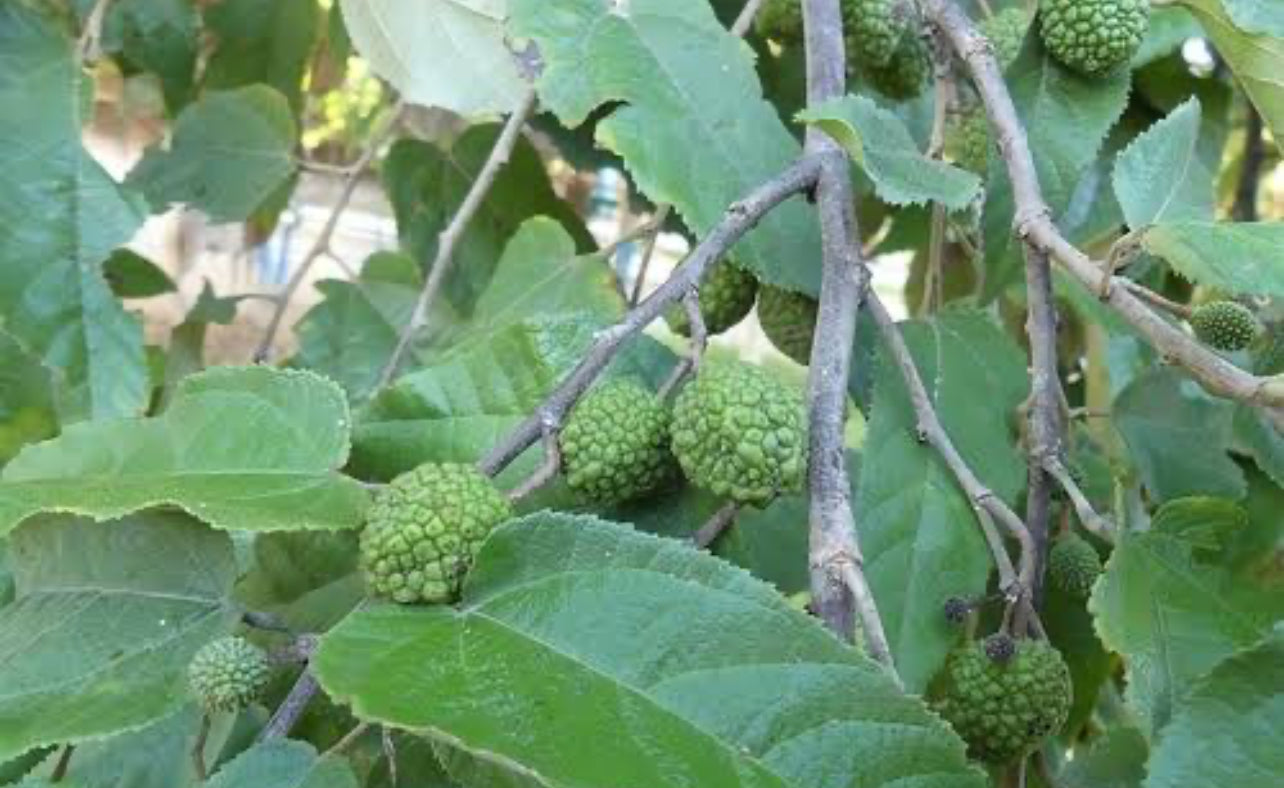
Plant parts: Dried cablote leaves and fruit pods
Reconnect with a treasured Caribbean and Latin American botanical tradition with our wildcrafted Cablote Herb. Scientifically known as Guazuma ulmifolia, cablote is a tropical tree native to the Caribbean, Mexico, Central America, and South America.
Its leaves, bark, fruit pods, and seeds have been prepared traditionally as herbal teas, washes, and topical poultices. Cablote is valued for its naturally occurring plant compounds, including flavonoids, proanthocyanidins, tannins, and mucilage.
Our dried cablote leaves and fruit pods can be prepared as a warming herbal tea or softened into a traditional poultice for external use.
Traditional Benefits of Cablote
May Support Women’s and Reproductive Wellness
Cablote has a long history of use in traditional Caribbean and Latin American herbal practices. It has been incorporated into women’s herbal preparations intended to nourish the womb, encourage menstrual comfort, and support the body during hormonal changes.
Cablote is traditionally described as a glandular supporting herb. Traditional herbalists may use it to nourish and support the healthy function and development of glandular and reproductive tissues. However, scientific research has not established that cablote directly causes glands to grow, and it should not be represented as a treatment for an enlarged, underdeveloped, or diseased gland.
May Help Ease Menstrual Discomfort
Warm cablote tea may provide comforting herbal support during the menstrual cycle. Its traditional use in women’s formulas makes it a valuable addition to a routine focused on menstrual comfort, feminine balance, and overall reproductive wellness.
Provides Antioxidant Plant Compounds
Research reviews report that Guazuma ulmifolia contains bioactive compounds such as flavonoids and proanthocyanidins. These compounds have demonstrated antioxidant activity in laboratory and animal research, helping protect cells from oxidative stress. Human clinical research remains limited.
Traditionally Used for Digestive Comfort
Different parts of the cablote tree have traditionally been prepared for occasional digestive discomfort. The plant’s natural mucilage creates a slightly slippery or soothing liquid when steeped, while its tannins contribute a naturally astringent quality.
May Support a Healthy Inflammatory Response
Laboratory and animal studies have investigated Guazuma ulmifolia for anti-inflammatory and antioxidant activity. The plant has also been used traditionally in preparations for swelling, bruises, irritated skin, and general physical discomfort.
Traditionally Used for Skin, Scalp and Hair Care
Cablote leaves and bark have been prepared externally as washes, compresses, and poultices. Traditional applications include soothing the skin and scalp, caring for minor external irritation, and supporting healthy-looking hair.
May Support Liver, Kidney and Urinary Wellness
In several Latin American herbal traditions, cablote leaf tea has been used to support the liver, kidneys, urinary system, and the body’s natural cleansing processes. These uses are traditional and have not been confirmed as treatments for kidney or liver disease.
Why Add Cablote to Your Herbal Routine?
Cablote is a versatile herb that can be used internally or externally. It may be especially suitable for people seeking:
• Traditional women’s wellness and womb support
• Menstrual and hormonal comfort
• Gentle glandular and reproductive nourishment
• Antioxidant herbal support
• Digestive and cleansing support
• A traditional poultice for external skin and body care
• Caribbean and Latin American herbal remedies
How to Make Cablote Tea
Single-Cup Preparation
1 Add approximately 1–2 teaspoons of dried cablote leaves and fruit pods to 8–12 ounces of spring water.
2 Bring the water to a boil.
3 Reduce the heat, cover, and simmer gently for 10–15 minutes.
4 Turn off the heat and allow the herbs to steep for another 10–15 minutes.
5 Strain and drink warm.
Begin with one cup daily to observe how your body responds. Do not exceed two cups daily unless guided by a qualified herbal professional.
Large-Batch Preparation
1 Add approximately 1 ounce of cablote herb to one gallon of spring water.
2 Bring the water to a rolling boil.
3 Reduce the heat, cover, and simmer for 20–30 minutes.
4 Turn off the heat and steep for another 20–30 minutes.
5 Strain and store the prepared tea in clean glass jars in the refrigerator.
6 Use refrigerated tea within approximately 3–4 days.
Drink one 8-ounce cup once or twice daily. The herbs may be reboiled once using less water, although the second preparation will be milder.
How to Make a Cablote Poultice
A cablote poultice is intended for external use only.
1 Place approximately 2–4 tablespoons of dried cablote leaves and broken fruit pods into a small pot.
2 Add enough spring water to cover the herbs.
3 Simmer gently for 10–15 minutes, until the leaves and pods soften.
4 Allow the mixture to cool until it is comfortably warm.
5 Mash the softened herbs into a moist pulp. Add a small amount of the herbal liquid as needed.
6 Spread the warm herbs onto a clean cotton cloth, gauze, or muslin.
7 Fold the cloth over the herbs and place it on the desired external area for 15–20 minutes.
8 Remove immediately if burning, itching, increased redness, or irritation occurs.
Do not place a poultice on open wounds, infected skin, the eyes, or other sensitive areas. Perform a small patch test before broader use.
Important Safety Information
• Do not use during pregnancy. Animal and traditional-use reports suggest that some cablote preparations may affect uterine activity.
• Nursing individuals should avoid use unless approved by a qualified healthcare professional.
• Do not give cablote tea to children without professional guidance.
• Speak with a qualified professional before use if you take medications for blood pressure, blood sugar, fluid balance, blood clotting, or other chronic conditions.
• Cablote may have a naturally astringent effect. Excessive use may cause nausea, vomiting, constipation, diarrhea, or digestive irritation.
• Stop use if you experience an allergic reaction or unusual symptoms.
• Herbal products can interact with medications. Separate cablote from prescription medicines unless a qualified professional has reviewed the combination.
• This product is sold as a whole botanical and is not a standardized pharmaceutical extract.
Product Details
• Available sizes: 2 oz and 4 oz
• Contains: Dried Guazuma ulmifolia leaves and fruit pods
• Naturally caffeine-free
• No artificial colors, flavors, fillers, or preservatives
• Suitable for tea, herbal washes, compresses, and poultices
• Store tightly sealed in a cool, dry location away from direct sunlight
Cablote Frequently Asked Questions
Is cablote the same as Guazuma ulmifolia?
Yes. Cablote is one regional name for the tropical botanical Guazuma ulmifolia. It is also called guácima, guácimo, mutamba, and West Indian elm.
Can cablote be used for womb support?
Cablote has been incorporated traditionally into women’s herbal preparations for womb, menstrual, and reproductive wellness. These uses are based primarily on traditional practice rather than large human clinical trials.
Does cablote help glands grow?
Some traditional herbal systems describe cablote as nourishing or supporting glandular and reproductive tissues. There is currently insufficient clinical evidence to claim that cablote directly enlarges glands or causes gland tissue to grow. Anyone concerned about a thyroid, pituitary, adrenal, breast, lymphatic, ovarian, prostate, or other gland should obtain an appropriate medical evaluation.
Which parts are used?
Our cablote product contains dried leaves and fruit pods, allowing both parts to be incorporated into tea or a traditional external poultice.
Research and Botanical Sources
A peer-reviewed review of Guazuma ulmifolia describes its traditional use for gastrointestinal, respiratory, and cardiovascular concerns and identifies bioactive constituents including flavonoids and proanthocyanidins.
Research on the aerial parts of the plant has reported anti-inflammatory and antioxidant-related activity in preclinical models. These findings do not establish that the herb treats disease in humans.
Ethnobotanical and laboratory research has also documented traditional external uses and investigated antimicrobial activity, although results vary by plant part and extract.
FDA Disclaimer
These statements have not been evaluated by the Food and Drug Administration. This product and the information provided are not intended to diagnose, treat, cure, or prevent any disease. Information regarding the historical and traditional uses of cablote is provided for educational purposes only.