UnALTRD
Black Walnut Leaf (Juglans nigra) – Skin, Digestive & Herbal Cleansing Support
Black Walnut Leaf (Juglans nigra) – Skin, Digestive & Herbal Cleansing Support
Couldn't load pickup availability
Our Black Walnut Leaf (Juglans nigra) is a traditional North American botanical used in herbal preparations focused on skin wellness, digestive comfort, astringent support, antioxidant protection and the body's natural cleansing processes.
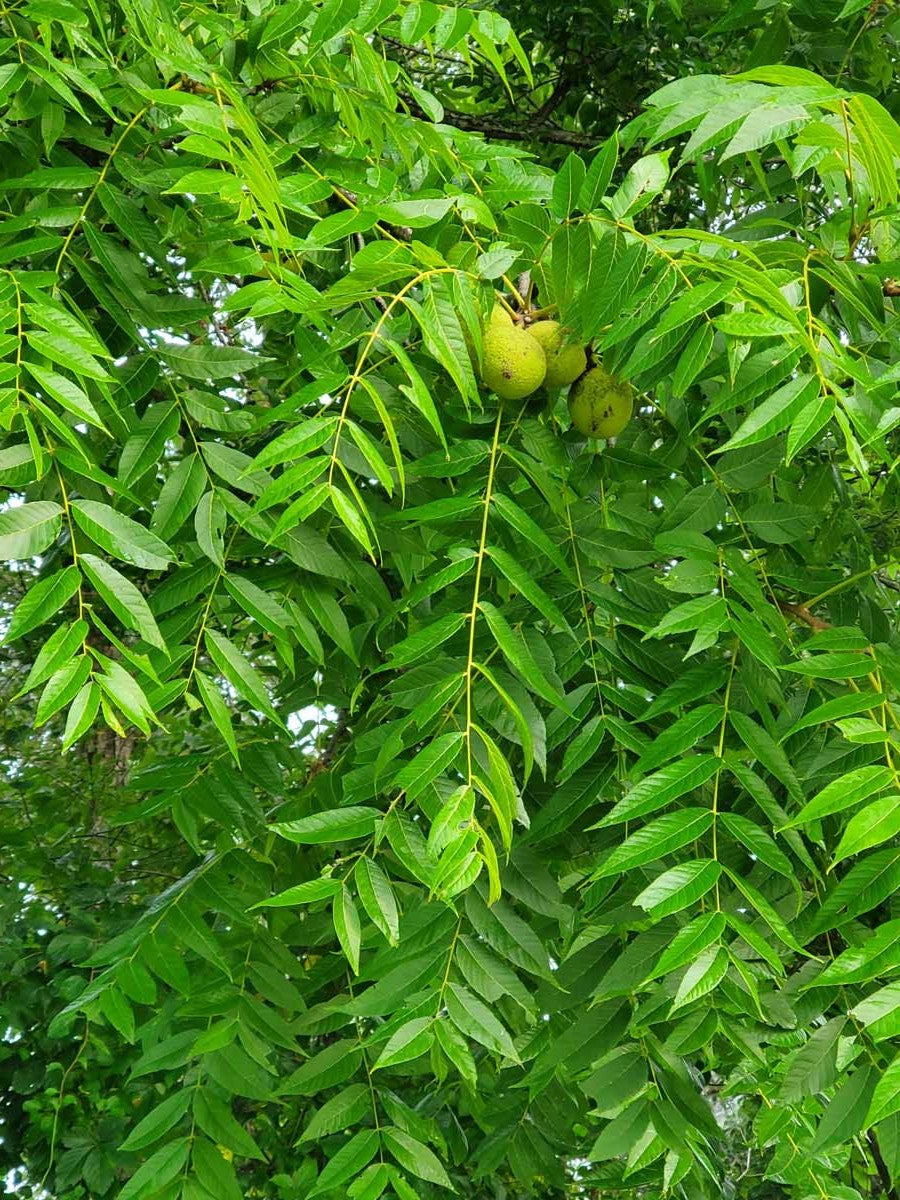
Black Walnut Leaf is different from the commonly sold Black Walnut Hull. Our product consists specifically of the dried leaves of the Juglans nigra tree.
The leaves naturally contain beneficial plant compounds including flavonoids, polyphenols, tannins, phenolic acids, juglone and other naphthoquinone-related compounds.
Potential Benefits of Black Walnut Leaf
Skin & External Herbal Care
Black Walnut leaves have a longstanding history of external use in traditional herbalism.
They can be prepared as herbal washes or compresses to support:
- General skin wellness
- Minor external irritation
- Skin cleansing
- Scalp wellness
- Healthy-looking skin
The natural tannins in Black Walnut Leaf contribute to its traditional astringent properties.
Digestive Wellness
Black Walnut Leaf has traditionally been incorporated into herbal preparations focused on digestive comfort and intestinal wellness.
Its naturally occurring tannins give the tea a noticeably astringent character.
Traditional Cleansing Support
Black Walnut Leaf has historically been used in traditional cleansing formulas.
For the leaf specifically, it is more accurate to describe its role as supporting:
- Digestive wellness
- Normal elimination
- Skin wellness
- General herbal cleansing routines
Black Walnut Hull, rather than the leaf, is the plant part more commonly included in modern parasite formulas.
Antioxidant Support
Modern analysis of Juglans nigra has identified numerous antioxidant-associated phytochemicals.
Black Walnut Leaf contains compounds related to:
- Myricetin
- Quercetin
- Ellagic acid
- Gallic acid
- Other polyphenols
These plant compounds may help support the body's natural defenses against oxidative stress.
Healthy Inflammatory Response
Laboratory and preclinical research has investigated Juglans nigra leaf extracts for activity related to inflammation and tissue comfort.
Human clinical research remains limited.
Naturally Occurring Compounds in Black Walnut Leaf
Black Walnut Leaf naturally contains:
- Juglone – a characteristic naphthoquinone associated with walnut trees
- Flavonoids – antioxidant-associated botanical compounds
- Myricetin derivatives – naturally occurring flavonoids
- Quercetin derivatives – plant flavonoids associated with antioxidant activity
- Ellagic acid – a naturally occurring polyphenolic compound
- Gallic acid – an antioxidant-associated phenolic compound
- Tannins – contribute to the leaf's traditional astringent properties
- Other polyphenols – part of the complex phytochemical profile of Juglans nigra
Why Add Black Walnut Leaf to Your Herbal Routine?
Black Walnut Leaf may be especially suitable for people seeking:
- Traditional skin support
- Digestive wellness
- Herbal cleansing support
- Natural astringent properties
- Antioxidant plant compounds
- Scalp and external herbal care
- A naturally caffeine-free botanical tea
- A traditional North American herb
How to Make Black Walnut Leaf Tea
Single-Cup Preparation
- Add approximately 1–2 teaspoons dried Black Walnut Leaf to 8–12 ounces of spring water.
- Bring the water to a boil.
- Pour the hot water over the leaves.
- Cover and steep for approximately 10–15 minutes.
- For a stronger preparation, steep approximately 20 minutes.
- Strain thoroughly.
- Drink warm.
Begin with approximately one cup to assess individual tolerance.
Large-Batch Preparation
- Add approximately 1 ounce dried Black Walnut Leaf to one gallon of spring water.
- Bring the water to a boil.
- Reduce or turn off the heat.
- Add the leaves.
- Cover and steep for approximately 20–30 minutes.
- Strain thoroughly.
- Transfer to clean glass containers.
- Refrigerate after cooling.
Begin with approximately one 8-ounce serving.
Because Black Walnut Leaf is naturally astringent, stronger preparations are not necessarily better.
How to Make a Black Walnut Leaf Herbal Wash
For external use only.
- Add approximately 1 tablespoon dried Black Walnut Leaf to 8–12 ounces of hot spring water.
- Cover and steep for approximately 15–20 minutes.
- Strain thoroughly.
- Allow the infusion to cool completely.
- Apply to intact external skin or scalp using clean cotton or cloth.
- Discontinue if burning, redness, itching or other irritation occurs.
Patch test before broader use.
Product Details
- Botanical: Juglans nigra
- Common names: Black Walnut Leaf, Eastern Black Walnut, American Black Walnut
- Plant part: Dried leaves
- Naturally caffeine-free
- Single botanical ingredient
- No artificial colors
- No artificial flavors
- No fillers
- No preservatives
- Suitable for herbal tea, washes and compresses
- Naturally contains tannins, flavonoids and polyphenols
- Store tightly sealed in a cool, dry location away from direct sunlight
Black Walnut Leaf Frequently Asked Questions
What is Black Walnut Leaf?
Black Walnut Leaf is the dried leaf of Juglans nigra, the Eastern Black Walnut tree native to North America.
Is Black Walnut Leaf the same as Black Walnut Hull?
No.
Both come from the same tree, but they are different plant parts.
Black Walnut Leaf consists of dried leaves.
Black Walnut Hull is the green outer covering surrounding the walnut.
Their traditional applications and concentrations differ.
What is Black Walnut Leaf traditionally used for?
Black Walnut Leaf is traditionally used for:
- Skin wellness
- Digestive comfort
- Herbal cleansing routines
- Astringent support
- External herbal washes
- General botanical wellness
Does Black Walnut Leaf contain juglone?
Yes.
Research has identified juglone and related naphthoquinone compounds in Juglans nigra leaves.
The amount can vary significantly depending on the plant material and extraction method.
Does Black Walnut Leaf have antioxidants?
Yes.
Black Walnut Leaf contains antioxidant-associated compounds including flavonoids, phenolic acids and other polyphenols.
Can Black Walnut Leaf be used externally?
Yes.
Black Walnut leaves have traditionally been prepared as washes and compresses for external skin and scalp care.
Patch test before broader use.
Is Black Walnut Leaf used for parasites?
Black Walnut is popularly associated with parasite formulas, but these formulas generally use the green Black Walnut Hull rather than the leaf.
There is insufficient human clinical evidence to claim that Black Walnut Leaf tea treats parasitic infections.
Can Black Walnut Leaf stain hair or clothing?
Strong walnut preparations may potentially stain light-colored hair, fabric or surfaces because of naturally occurring pigments and tannins.
Use appropriate caution with external preparations.
Is Black Walnut Leaf caffeine-free?
Yes.
Pure Juglans nigra leaf is naturally caffeine-free.
Important Safety Information
- Avoid use if you have a known serious walnut or tree-nut allergy unless compatibility has been appropriately established.
- Stop immediately if an allergic reaction occurs.
- Safety during pregnancy and breastfeeding has not been adequately established.
- Long-term internal use of concentrated Black Walnut Leaf preparations has not been adequately studied.
- Excessive amounts of highly astringent herbs may cause digestive irritation.
- Use caution when combining concentrated herbal products with prescription medications.
- Patch test before topical use.
- Do not apply homemade preparations to deep, infected or serious wounds.
- Do not use Black Walnut Leaf as a substitute for appropriate treatment of parasites, fungal infections, serious digestive conditions or skin disease.
- This product is sold as a whole dried botanical and is not a standardized pharmaceutical extract.
FDA Disclaimer
These statements have not been evaluated by the Food and Drug Administration. This product and the information provided are not intended to diagnose, treat, cure or prevent any disease. Information concerning the traditional uses of Black Walnut Leaf (Juglans nigra) is provided for educational purposes only.